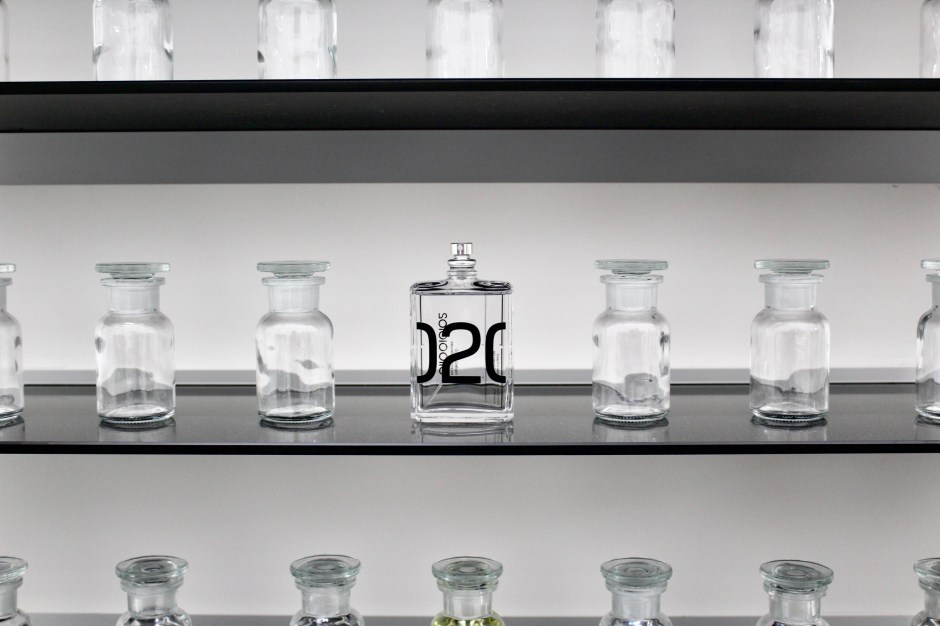
IMG_2884

The most fascinating aspect of perfumery is the building blocks – the familiar (and often unfamiliar) materials that come together to create something entirely new. For me, I am endlessly beguiled by the way in which a singular material can, not only be so versatile in its use, but also add nuances to a fragrance that are so far removed from the material when experienced in isolation. One could call this magic, but it’s not, it’s chemistry, and perfumery is a fusion between art and science, where the latter is used to convey meaning and emotion from the medium of smell.

For me it’s always been the synthetics that hold more interest than the naturals. Without synthetic materials (incl. isolates, captives and aroma chemicals) modern perfumery would smell a heck of a lot different. We just wouldn’t have the perfumes that we’ve had for the last 100 years or so – what we’d have is inconsistent naturals that, due to their own density and complexity, often lead to an opaque soup when blended together. Synthetics give the space and definition to these materials allowing them to compliment, contrast and extend each other. They pull the naturals apart and bring new dimensions into play.

One of my favourite synthetic materials is Ambroxan. OK, so it’s not a fancy material, nor is it a particularly expensive one. It doesn’t take 3,000 years to mature under moonlight on an exotic island. No, it doesn’t have to be expressed from the anal glands of unicorns (perfumery has always had a weird fascination with the contents of animal butts, tell me I’m wrong) by golden-locked virgins in the dead of night. But it is an incredibly useful and popular material, and it finds way into many modern fragrances in both prominent, and stealthy ways. I see it as a bit of a ninja – it swoops in quietly, bringing dimension and space to dense compositions allowing them to expand, giving them tremendous lift but also a fascinating mineral facet. To put it simply, Ambroxan is ‘the nuts’.
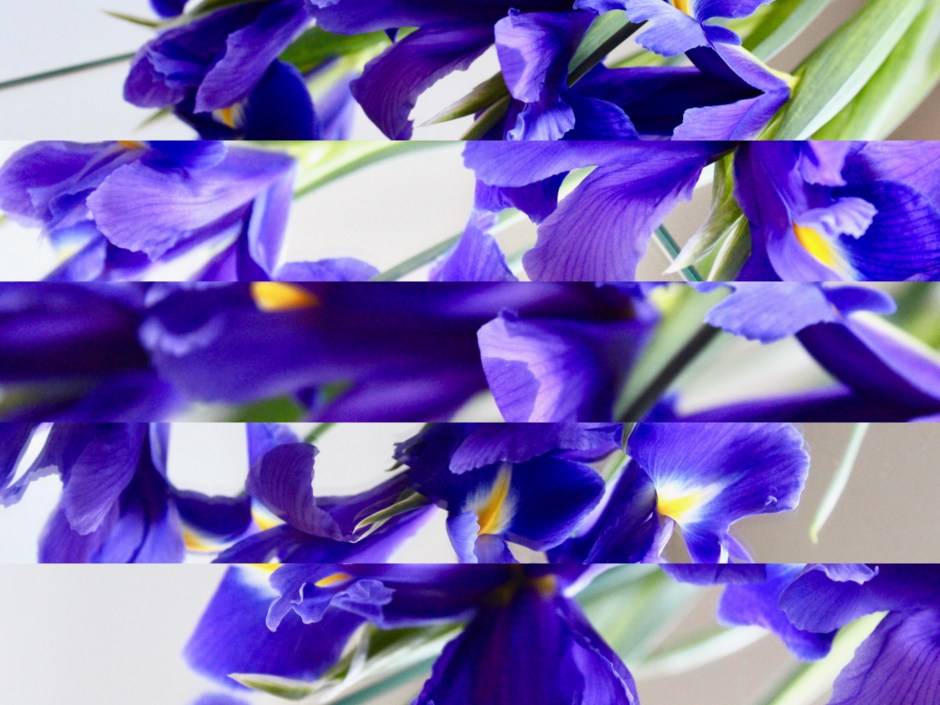
Splices of Iris

Iris, or orris, is many things. It is famously known as the most expensive natural ingredient in the perfumer’s pallet, making it one of the most elusive and luxurious materials out there. It’s also one of the most beautiful and complex ingredients in the perfumer’s magic bag of tricks, allowing itself to be utilised in a vast variety of ways, which gives it this strange shape-shifting ability, whilst also allowing it to remain instantly and undeniably recognisable as ‘iris’ at all times. Iris is also a divisive material – some will dive readily into its often cold and aloof arms, whilst others will simply say it smells like carrots and they wish for it to be moved very far away from them. Both view points are valid of course, but the striking character of iris cannot be denied.

In perfumery it is not the iris flowers that are used, instead it is the root. The roots are dried over a number of years (hence the hefty cost – orris is an exercise in patience) and then ground before being distilled to create orris butter (beurre d’iris). Reportedly, one ton of iris root produces two kilos of iris butter, making for a painstaking process that drives the cost of the material skyrocketing up to the roof and beyond. But is the beauty of the material matched by the price? Well, the answer to that question will certainly depend on your opinion however, the complexity of the odour profile of orris certainly lives up to its value, more so in fact.

The scent of orris is a tricky one to pin down. It is most known for its earthy character, which in extreme can smell vegetal, like carrots and turnips. The scent is mineral but it can also have sweetness, sharing a similar character to violets. If we’re talking texture, orris can be suede-like or powdery, but in some instances it can also appear as doughy and thick. There’s also a woody character to the material and in terms of colour, orris can present hues that range from blue to purple to grey to beige. If you hadn’t guessed already, orris is one of the most fascinating and flexible fragrant materials out there and it has been put to use in thousands of intriguing ways throughout the history of perfumery.