Carnivorous Flower by M.Sh on pxleyes.com

I’m on a Serge Lutens kick at the moment, which is funny considering that I was considerably late to the Lutens party and it took me quite some time to ‘get’ the brand’s aesthetic. This is due in part to the fact that much of what Uncle Serge puts out is truly hedonistic and oriental, and can often feel thick and oppressive. This style is attractive to many but for years I failed to see the beauty amongst the spices, resins and balsams.

Unsurprisingly, it was the florals (specifically the incandescent Fleurs d’Oranger) within Lutens’ stable that served as a gateway to understanding perfume’s most highly respected, reclusive and artistic individual. But why the florals? What does Lutens do to nature’s blooms that others don’t? What does he see amongst the petals, the stems and the pollen that many perfumers and creative directors cannot?

The answer is simple – Serge Lutens sees the darker side of flowers and he’s not afraid to present the beautiful amongst the downright terrifying. Within his exclusive collection of fragrances housed inside his Palais Royal shop in Paris (a purple-tinted perfume Mecca), Lutens has three of the most deadly, carnivorous and fatal florals ever to have graced the noses of the human species, they are; the maniacal tuberose – Tubéreuse Criminelle, the viper jasmine – Sarrasins and the ghostly iris – Iris Silver Mist.
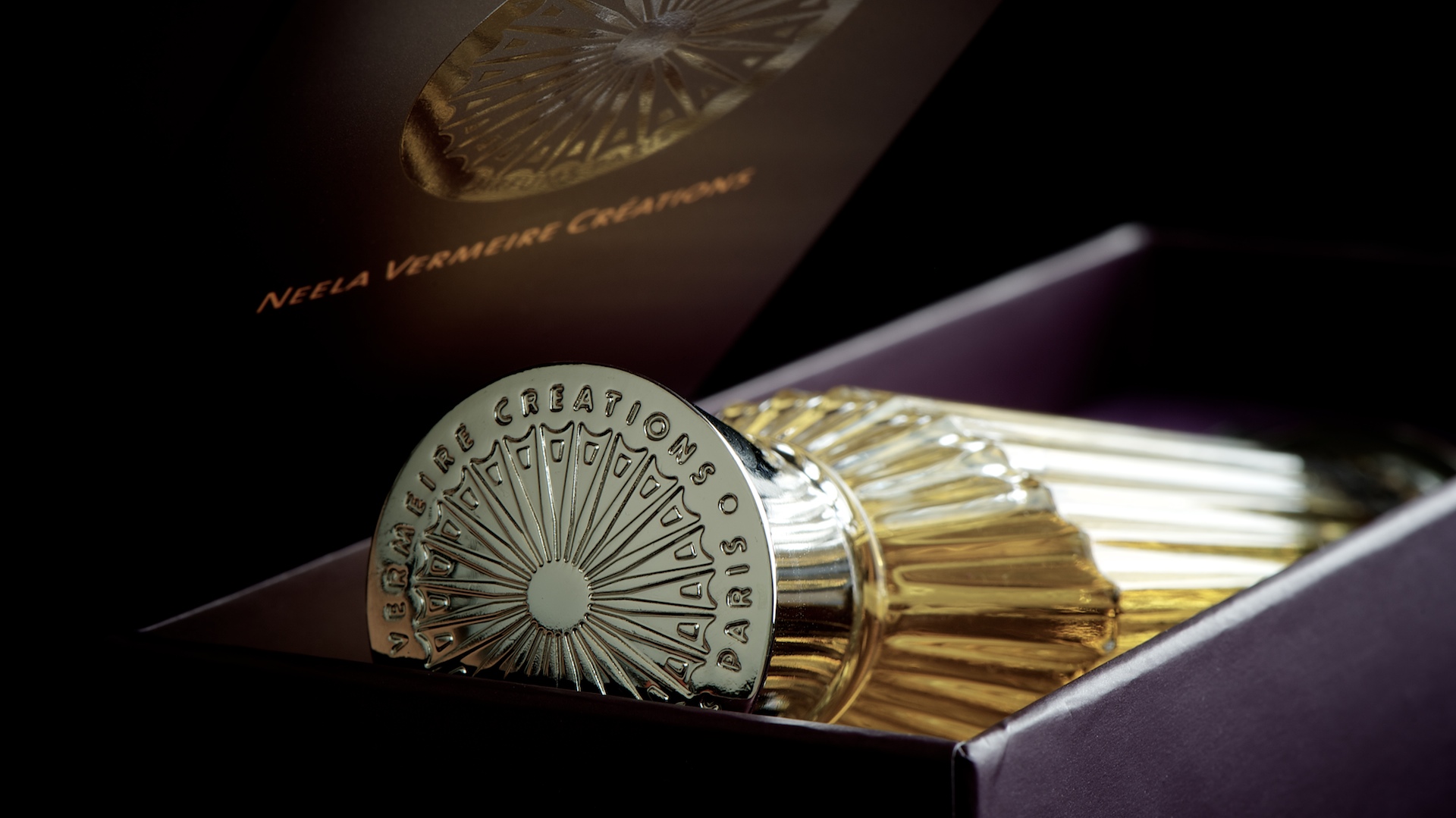
Neela Vermeire's Fourth Fragrance - Ashoka (Photo: Mike Tassy for Neroli)
Neela Vermeire’s Fourth Fragrance – Ashoka (Photo: Mike Tassy for Neroli)

It must have been a rather daunting and unenviable task for both Neela Vermeire and perfumer Bertrand Duchaufour when creating their fourth perfume together and the first to be launched since the initial trio of India-inspired fragrances in the Neela Vermeire Collection. These three perfumes – Trayee, Mohur and Bombay Bling! – were so well received and critically acclaimed that the pressure really must have been on when the time came to add a brand new fragrance to the series – a fragrance named Ashoka. Luckily for us, this pressure does not seem to have phased this dynamic duo one bit…

“Inspired by a legendary ruler, Neela Vermeire Creations’ new release Ashoka, is a tribute to an emperor who was conquered by his own compassion at the moment his victory was assured. He converted to Buddhism and devoted the rest of his life to spreading the Buddha’s teachings, to truth, to justice and to compassion for all living creatures  beneath the sun. His own evolution from ruthless conquerer to benevolent emperor is reflected in Ashoka’s journey from the fierce opening to a softly floral heart & the gentle embrace of its richly complex drydown.”

Ashoka is Neela’s fourth perfume and first to be released outside of her initial trio of perfumes inspired by different eras of Indian culture. It would make sense then, that Ashoka strikes a slightly different chord from the others in the collection whilst managing not to stick out like a sore thumb. The fragrance is a continuation of the historical Indian narrative but in an olfactory sense, Ashoka leads Neela Vermeire Creations in an entirely new and exciting direction.

Les Nombres d'Or by Mona di Orio
Les Nombres d’Or by Mona di Orio

Nowadays every perfume release comes with a story, normally one that involves a good degree of creative license courtesy of the brand’s PR department. This is no bad thing really, a good story can add to the experience of a scent, after all no art is quite as transportive as the art of olfaction, but at times it’s best to approach a perfume without any pre-conceived notions and just allow the scent itself to tell the story.

Some stories in particular are important and the tale behind Mona di Orio’s latest release – ‘Violette Fumée‘ – is both worth telling and incredibly touching. Created privately by Mona di Orio before her death for the private use of her business partner and co-founder Jeroen Oude Sogtoen, Violette Fumée captures “the melody of Jeroen’s favourite passions, memories and materials.” It’s a perfume made out of love, admiration and respect.

On an olfactory level, Violette Fumée is described by the brand as an “oriental balsamic floral” and in the same vein as many other perfumes from the house it feels incredibly unusual when compared to its peers. It stands as a true testament to Mona’s talent as a perfumer and is a fitting legacy for someone who brought so much intrigue to the world of fragrance.

Elie Saab Le Parfum Intense

When Elie Saab released his Francis-Kurkdjian-penned debut fragrance – ‘Le Parfum‘ – in 2011, it quickly garnered praise as one of the most impressive feminine designer launches of the year. Since then it has maintained its popularity, spurring the release of an Eau de Toilette version in 2012 and a brand new intense edition for 2013.

“Inspired by the magical moment of dusk, mysterious and captivating, the floral oriental Elie Saab Le Parfum Intense tells the story of a woman who comes alive as the sun goes down. She is confidence incarnate, and wears her Elie Saab couture like a second skin.”

For Le Parfum Intense, Saab has opted for a perfume that is richer and less diffusive than the original. This particular presentation of Le Parfum serves as a headier and more intoxicating version where the intensity of white flowers is amplified, along with vanilla to create a truly couture experience.

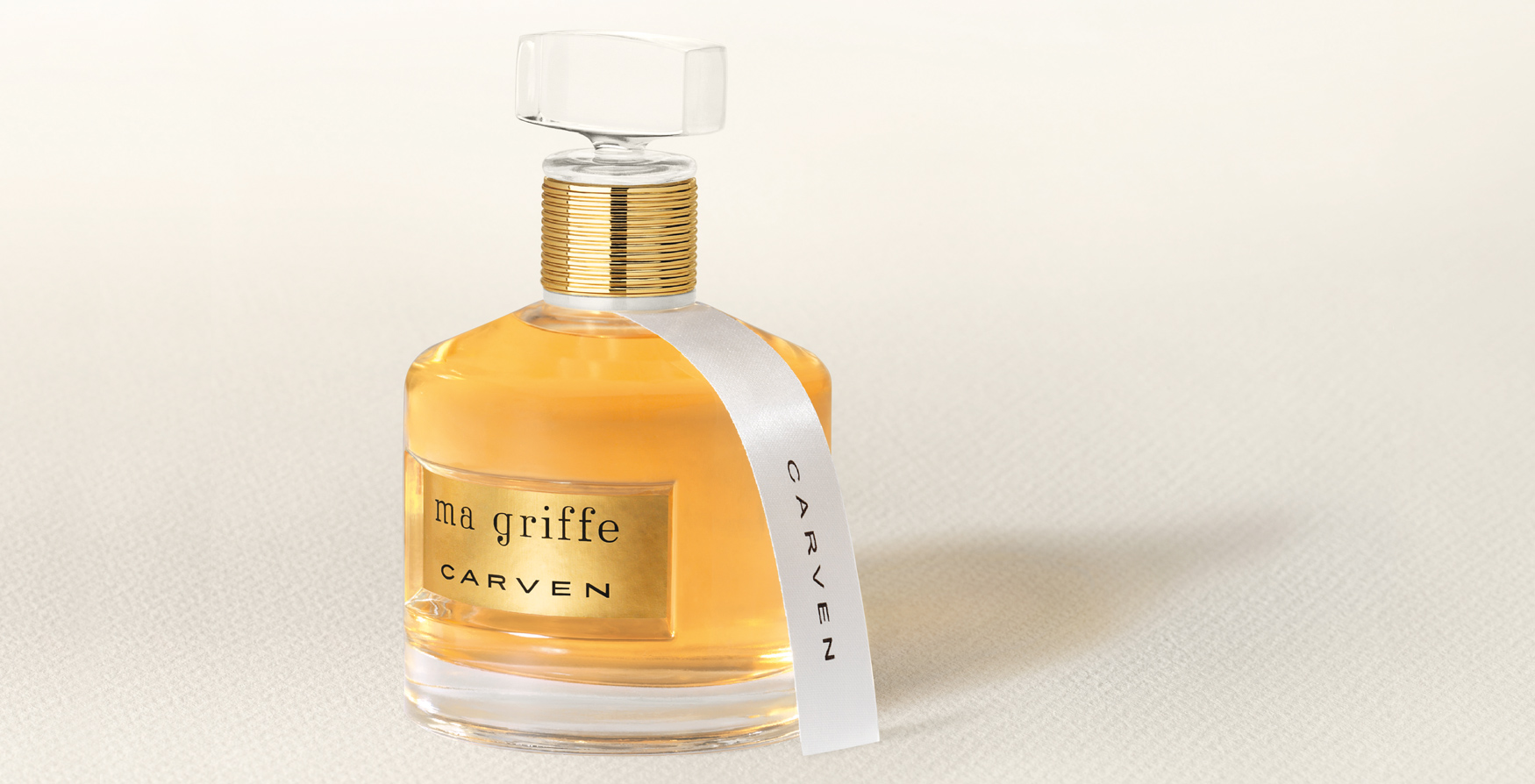
Ma Griffe
Ma Griffe by Carven

When Carven released their first perfume – the aptly named ‘Ma Griffe‘ (‘My Signature’) – in 1946 the brand dropped hundreds of parachutes over the skies of Paris, each of which carried a special piece of cargo – a sample of Madame Carven’s signature perfume. In a genius stroke of early PR, this stunt ensured that the scent of Ma Griffe was simply unavoidable:

“The lingering scent of Ma Griffe floated everywhere: at the Opera, at charity balls, at the most fashionable sports events from Deauville to  Monte Carlo…”

Flash forward to 2013, following the resurrection of the fashion arm of Carven and the launch of the brand’s modern signature fragrance ‘Le Parfum‘, it is time for the relaunch of Ma Griffe. This time Carven has opted for a much more muted launch, almost silently slipping the classic fragrance back on the market in the hope that it will once again float weightlessly around city streets.

Following the earlier review of Le Parfum one was intrigued to discover the world of Ma Griffe, purely as an exercise to see how the house has changed from 1946 to 2013. The truth is that the differences between the Carven perfume of days gone by and the Carven perfume of today serve as a microcosm for how the world of perfumery has evolved over the last 70 years.

Not having spent time with Ma Griffe before its 2013 re-release has allowed one to approach it from an entirely objective point of view, reviewing it not as a long gone piece of the past but as an old school signature presented amongst the modern trends of perfumery as they are today. To say the process was an eyeopener would be an understatement…

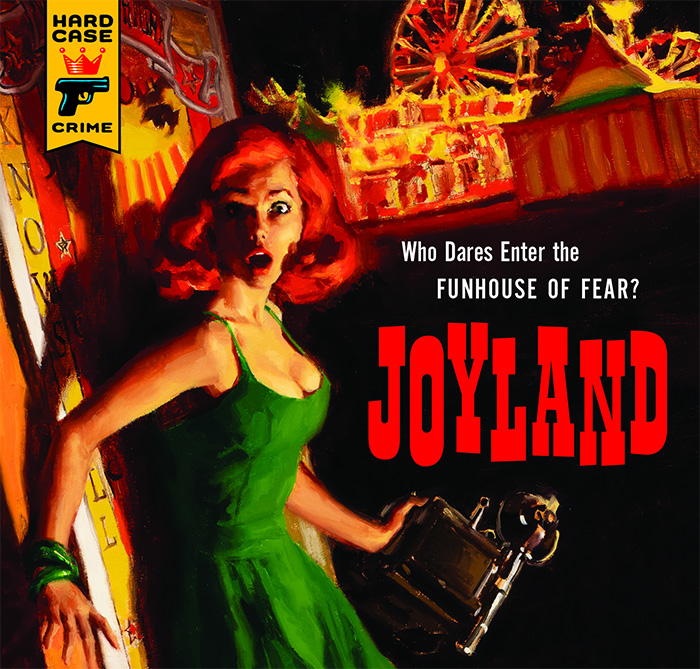
Do You Dare Enter the Fun House?
Do You Dare Enter the Funhouse?

L’Artisan Parfumeur has an excellent track record for creating interesting and wearable fragrances of exceptionally high quality at a (relatively) affordable price. They are arguably one of the first ‘niche’ houses and whilst they may have had more than the occasional creative lull over the years they now very much seem to be on track, partly thanks to venerable perfumer Bertrand Duchaufour.

Duchaufour has created a number of the brand’s most recent and intriguing scents, including; Al Oudh, Nuit de Tubéreuse, Traversée du Bosphore, Séville à L’Aube and Vanille Absolument (quite an impressive list, huh?). It stands to reason then that L’Artisan would wheel Duchaufour out for their latest trio of fragrances – an imprint line they are dubbing ‘Explosions d’Èmotions’.

‘Explosions d’Èmotions’ has been created to translate “the extraordinary emotional power of fragrance” and as a series it contains three perfumes that cover a range of emotions from the intimate and sexual to the giddying and frankly downright maniacal. This olfactory funhouse is an odd mix with all three fragrances – Déliria, Amour Nocturne and Skin on Skin – taking one on a journey of wild experiences from pleasure to fear and sex to err, bread making…

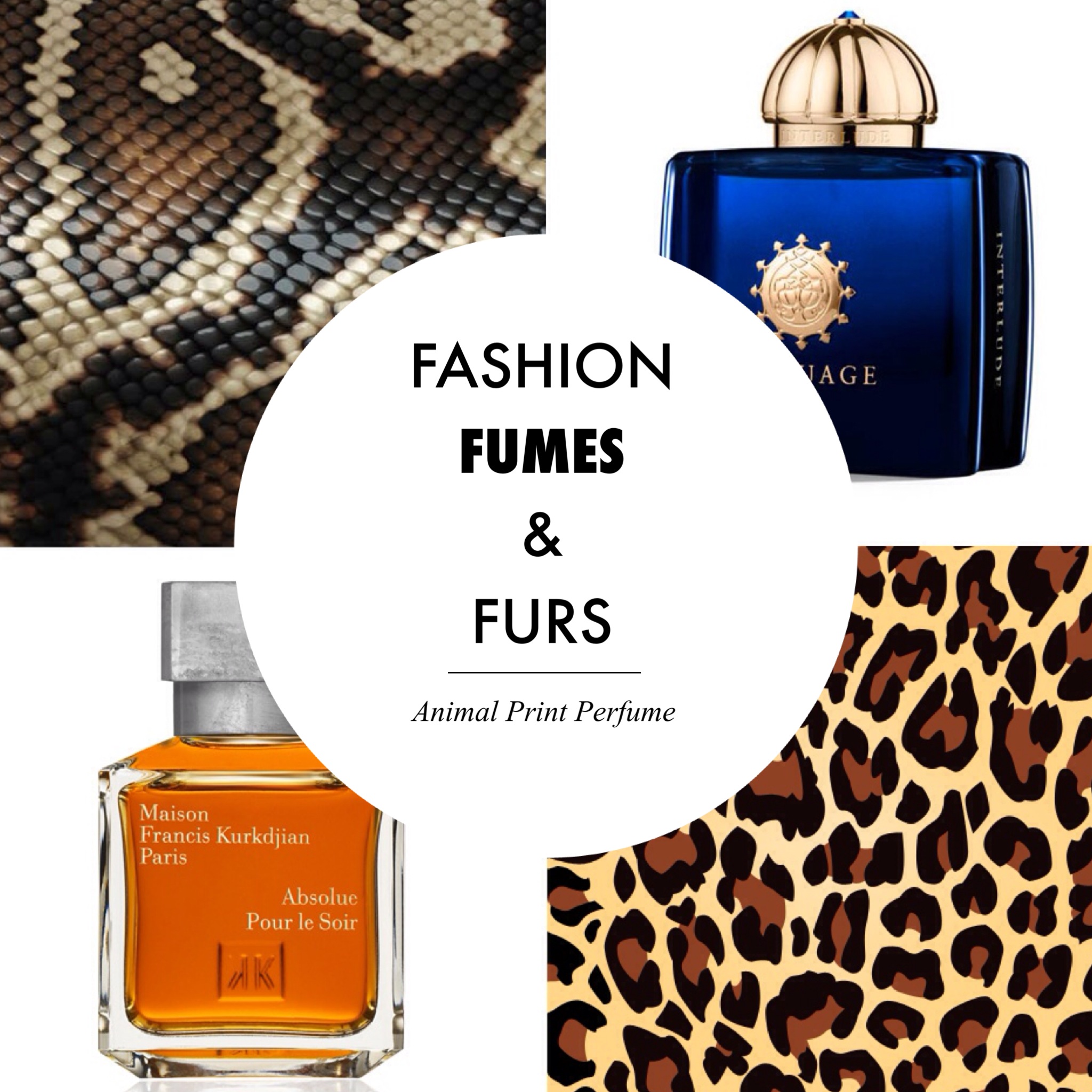
Fashion, Fumes & Furs

It came down to yours truly to pick the theme for this edition of the group blog post between myself, Olfactoria’s Travels, Persolaise, Fragrant Moments and Eyeliner on a Cat. For me this task was simple, I knew straight away that I wanted to talk about the relationship between fragrance and fashion, and more importantly I wanted to see just what my fragrant brothers and sisters would make of the correlation.

For years the worlds of perfume and couture have collided to create a wealth of classics and a whole heap of dreck. Houses like Chanel, Yves Saint Laurent, Tom Ford and Dior are as famous for their perfumes as they are for their fashions, with the former serving as an accessible way for one to own just a small piece of one’s favourite luxury brand.

One’s favourite fashion trend is most definitely animal print. There is just something so wonderfully wild about such bold, beastly prints and furs (all faux of course) in fashion and when one wishes to make a statement there is no greater choice than a measured dose of shocking animal print.

This post takes a look at one’s pick of the best ‘Animal Print Perfumes’ – those fragrances that perfectly capture the spirit of the boldest of prints. Whether it be the spots of the royal leopard, the stripes of the elegant zebra or the scales of the deadly black mamba, this post celebrates the collision of fashion and fragrance in the most utterly outrageous of styles.

[Please head on over to Persolaise, Olfactoria’s Travels, Fragrant Moments and Eyeliner on a Cat to read their takes on fashion and fragrance]

The Spirit of the Ballet. Bottled.
The Scent of The Ballet, Bottled

“Editor’s Note: Iris Prima, the latest perfume from Penhaligon’s launches today therefore I thought it prudent to share again with you my review from June. Tell me, what do you think the ballet smells like?”

Perfumers and brands can take their inspiration from a wide variety of mediums when creating a perfume: music, nature, people, memories, places and food; just to name a small few. As perfume lovers we welcome a wealth of muses – after all it’s always interesting to see perfumes based on new and exciting things rather than the usual set of notes and themes.

Penhaligon’s is a brand that seems to have a far reaching nose, in the sense that they like to seek out unusual inspirations and over the years have created a number of perfumes inspired by weird and wonderful things. Take their wonderful Sartorial for example, a fragrance that accurately captures the scent of a Saville Row tailor’s workroom or the equally-wonderful Juniper Sling, a perfect olfactory tribute to the quintessentially English drink of Gin.

For their latest offering, the brand has teamed up with English National Ballet to create a fragrance that captures the spirit of the ballet – a perfume that they describe as being “a work of olfactory choreography”. Having had exclusive access to dancers Nathan Young and Lauretta Summerscales, in addition to behind the scenes visits, perfumer Alberto Morillas has created a beautiful ode to the most graceful of dances.

Les Liqueurs de Parfums
Les Liqueurs de Parfums by Thierry Mugler

I make no bones about the fact that Thierry Mugler is one of my all-time favourite perfume brands. Their signature perfumes – Angel, Alien, Womanity, Cologne and A*Men – all have a very special place in my collection and are so befitting of the style of perfume I love, they almost feel as if they were created for me – although I am entirely aware that they were not.

Once a year Mugler treats us all to a special collection of fragrances – four unique takes on their existing signature fragrances. The familiar accords of these perfumes are twisted and remixed to include an ‘enhancer’ that presents them in an entirely new light. Over the last few years the likes of Angel et al have been reshaped by leather and gourmet ingredients to name just a few.

This year’s collection – ‘Les Liqueurs de Parfums‘ – sees the famous Mugler fragrances imbued with equally well-known liqueurs and is a sidestep for the brand, having already released alcohol-inspired versions of Angel, Alien and A*Men in 2009. The difference with this collection, however is that the wooden casks each fragrance has been aged in were warmed up and toasted to add a brand new facet to these boozy ‘fumes.

Hedonist
Hedonism or Over Indulgence?

When preparing a review of a fragrance I usually wear it on five or six separate occasions, whilst each time jotting my thoughts down in my perfume book. There is a method to my madness it seems and this process allows me to piece together the many intricacies (or lack thereof in some cases) that make up a perfume.

Most follow this trajectory, allowing me to form a strong opinion at the end of my trials. This however, is not the case for all perfumes that I sample and there is a small category of ‘undefinables’ that seem almost tricky to fathom out. These slippery fishes can either cause great interest or mass frustration, depending on how things pan out and perhaps one of the most severe cases of perfume miffed-ness comes from Viktoria Minya’s Hedonist.

Viktoria Minya is an “award winning Hungarian perfumer” and her first perfume ‘Hedonist’ is described as a “powerful and provocative perfume for a woman who dares to be true to her desires”. With a name like ‘Hedonist’ one expects an indulgent, sensory explosion – a feast of odours for one to dine on like a true glutton. But is this hedonist perhaps a tad too over indulgent?