
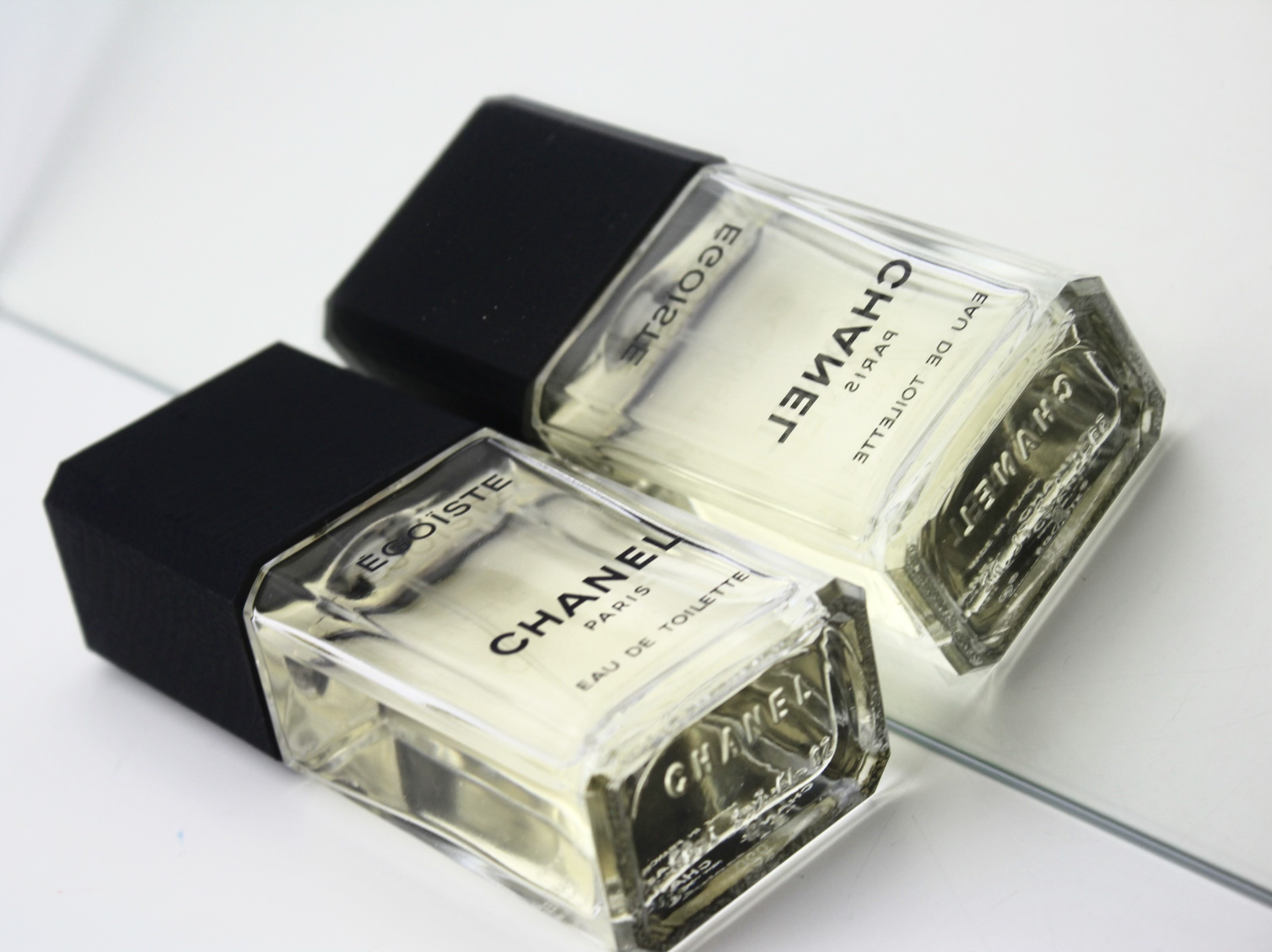
What does it take to be a good fragrance or even a great one?
By far the most common question I get asked when I reveal myself to be a perfume nerd, other than “have you heard of Santal 33?” (sigh, yes I have, we all have) or “what is your favourite fragrance of all time?” (it is and always will be Angel, I’m hoping to do a Warhol and be buried with a bottle, instructions are in my will) is “what makes a fragrance good?” I like this question because it doesn’t have a simple answer and a response of “err, well, you see, actually many things make a scent good” doesn’t really cut the mustard. In fact it puts one’s olfactory poindexter status on the line and we simply cannot have that now, can we?
To avoid being booted out of the Perfumerati, I wanted to ponder this question in detail. But actually, the real reason I want to explore it is because fragrance can so often be unnecessarily mysterious. It’s usually a case of “pay no attention to the man behind the green curtain” where all of the inner-workings are hidden from view and as a consumer it can be completely overwhelming, with thousands of launches per year. So the real reason I want to answer what makes a fragrance good is to help point you in the right direction. To help you to know what to look for and most importantly, to guide you to find the right fragrance that is good for you.
So let’s hold the mirror up to the world of fragrance, take a long hard look and ask “what’s good?”

A Good Fragrance Meets the Brief,
A Great One Tells a Story
The large majority of fragrances are made to a brief and these can take many forms. When commissioning a scent, a brand will outline what they want in terms of an odour profile. How this is communicated to the perfumer varies, but it often includes a written description of the scent and the story/concept behind it, as well as all of the necessary parameters of cost etc. It may include visual elements such as mood boards, but ultimately it’s there to say to the perfumer, usually with an evaluator translating in the middle, “here is what I would like you to make me and this is what it should smell like”. The perfumer then attempts to make that brief come alive in liquid form.
This means that a handy indicator as to whether a fragrance is good is if it meets the brief. If a brand is telling you that they’ve made a stunning rose perfume that smells like you’ve fallen asleep in the fields of Grasse at dusk, well it better smell like that. Promise me a gourmand that’ll serve me a generous dose of chocolate cake? You better deliver those olfactory calories straight into my veins please, or else there’ll be trouble. Great fragrances though, always go the extra mile and tell a story. Take the wonderful Impression Cedarwood Heart from Ostens (Alexis Daidier; 2018), which promises an exploration of IFF-LMR’s beautiful cedarwood, but delivers that and so much more, evoking the morning after a raucous night before through the scents of vintage cologne and face powder caught in the fibres of a velvet smoking jacket. A truly great fragrance, indeed.
A Good Fragrance Performs,
A Great One Hits the Right Balance
Fragrance may be an affordable luxury, but it’s still a luxury and to justify its own existence, a luxury product must perform. But what is performance when it comes to fragrance? For many this means two things: longevity and projection (sometimes called sillage) and it’s true, a good fragrance should last long enough so that one doesn’t have to drain a bottle in a day or two. It should also create enough of a trail so that it is noticeable, not just to the wearer, but also those fortunate enough to be in their close proximity. Exactly how much performance is the right amount though, is purely subjective and whilst one man may bask in his own mighty olfactory wake, others may tremble in it…
So much discourse over the last decade, certainly in the digital world of fragrance, has been around seeking out scents that offer maximum performance: those that go full ‘beast mode’. Let’s for a second ignore the fact that this term is dripping in a somewhat unhealthy dose of toxic masculinity (not that there is a healthy dose, mind), whilst I argue that truly great fragrances don’t honk and shout with the half-life of enriched uranium just for the sake of it. No, great fragrances boast the right performance for their medium, achieving the balance between staying power and sillage that best serves the composition. A sprightly Eau de Cologne, for instance, knows that its beauty lies in its ephemeral nature, leaving one to want and to spray more. Likewise, a sumptuous amber fragrance is well aware that its tendency to hold itself close to the skin is exactly the magnetic element that draws people in closer. True balance leads to true greatness.
A Good Fragrance is a Whole Package
A Great Fragrance Looks Unique
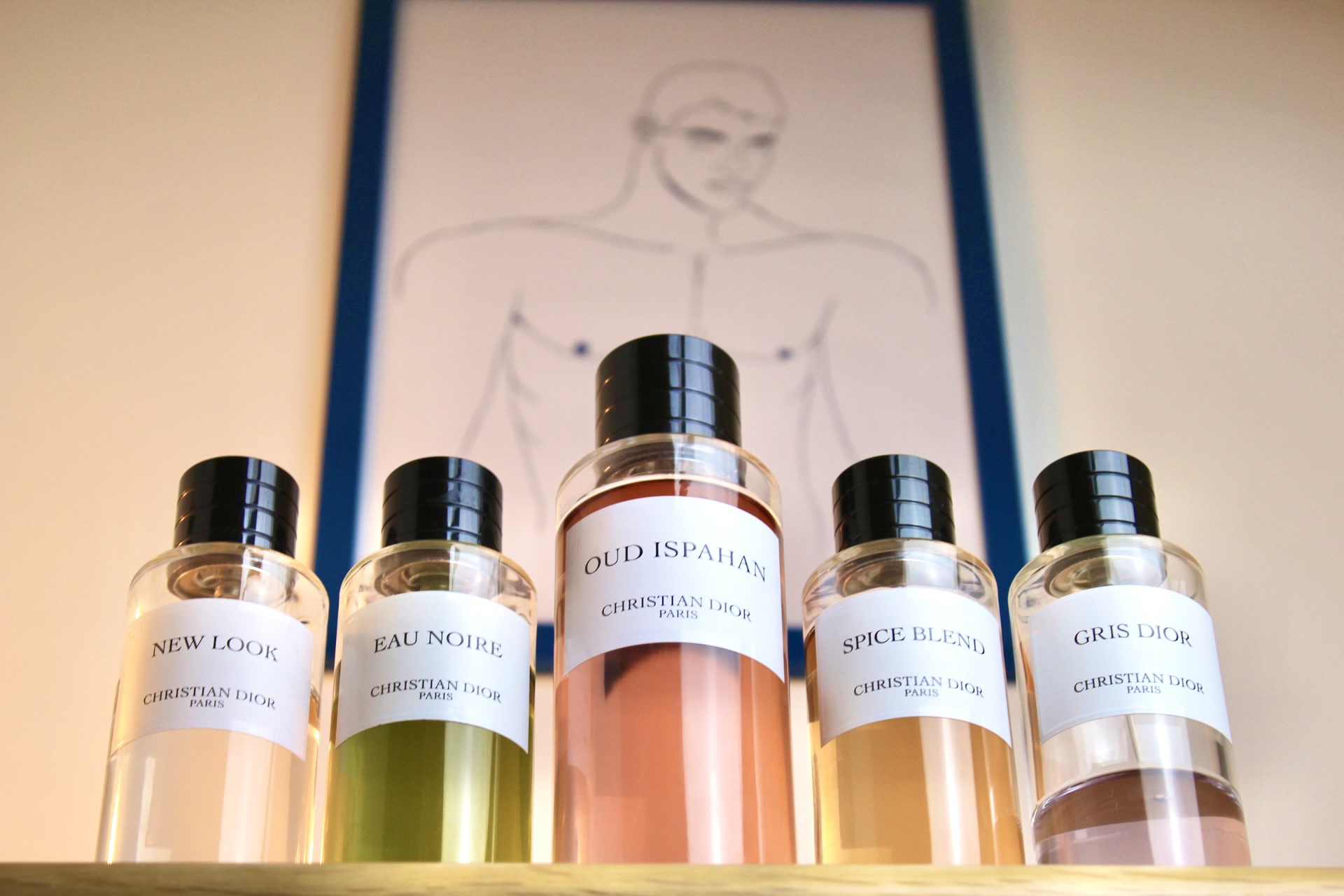
Fragrance lovers often have a tendency to have an “it’s all about the juice” mentality where they consider that the only thing that really matters is the scent itself. Whilst I agree that the fragrance is perhaps the most important part of the equation, it is still exactly that: a part. Good fragrances are those that try and execute their concept well in every aspect of the experience, considering the juice, the name, the story, and the packaging. There is nothing more disappointing than falling in love with a beautiful fragrance but feeling despair every time you reach for the bottle because it’s fugly, especially when that fragrance may have cost a fair bit of money. It is simply not acceptable for fragrances not to look gorgeous in this day and age, whether that be beauty in uniformed simplicity a la La Collection Privée Christian Dior or cheeky ostentation (see any bottle by Jean Paul Gaultier). We don’t care, just give us beauty.
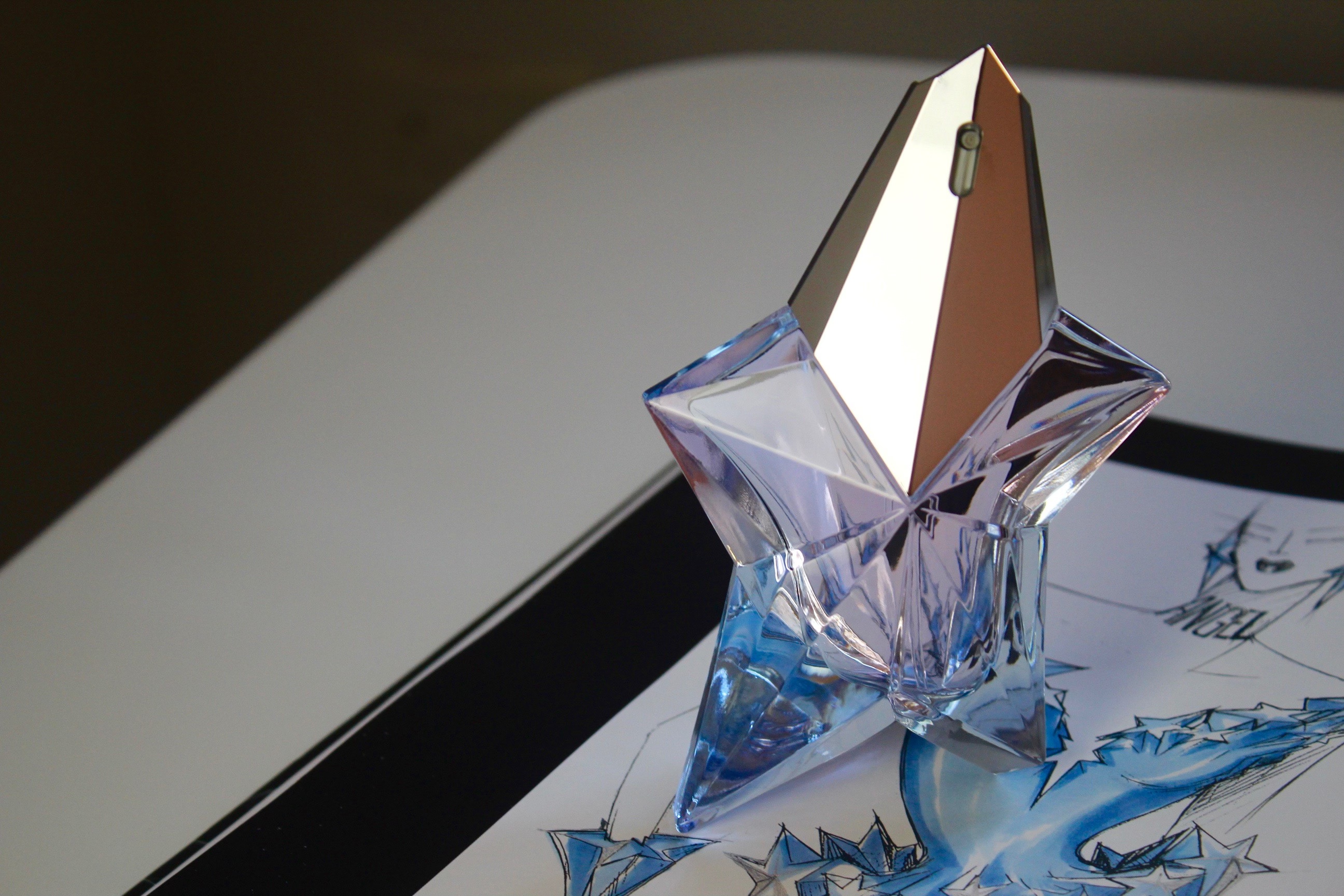
As with all things, looking beautiful is subjective and varied. Great fragrances place visual identity at the very core of their concept, opting to stand out with an entirely unique presentation that signifies what the brand and scent want to say. These are fragrances from brands like Mugler, who tool bottles in the shape of stars and fill them with baby blue liquid (Mugler baby blue to be exact) and make them refillable so that the bottle becomes an emotional object that stays with the wearer for life. Great fragrances understand that being different, standing out, being tactile and creating something to connect with on many levels, makes for an entirely unique experience.
A Good Fragrance Does Something New,
A Great One Innovates
There is nothing new under the sun, as they say and perfume, much like music follows a pattern of sampling, remixing and interpolating familiar themes. A good fragrance always has something new to say, even if that is a familiar tune played in a slightly new way. Even the classics aren’t immune to this, take Guerlain’s iconic, standard-bearing chypre Mitsouko (Jacques Guerlain; 1919), for example. Often seen as the reference chypre, with its sepia-toned peach and moss notes, Mitsouko is, in fact, just a fruitier riff on Coty’s Chypre (Francois Coty; 1917) which came two years before it. This doesn’t make the Guerlain a worthless dupe, far from it in fact, instead it goes to show how the best perfumes always brings something new by taking a familiar theme in a new direction.
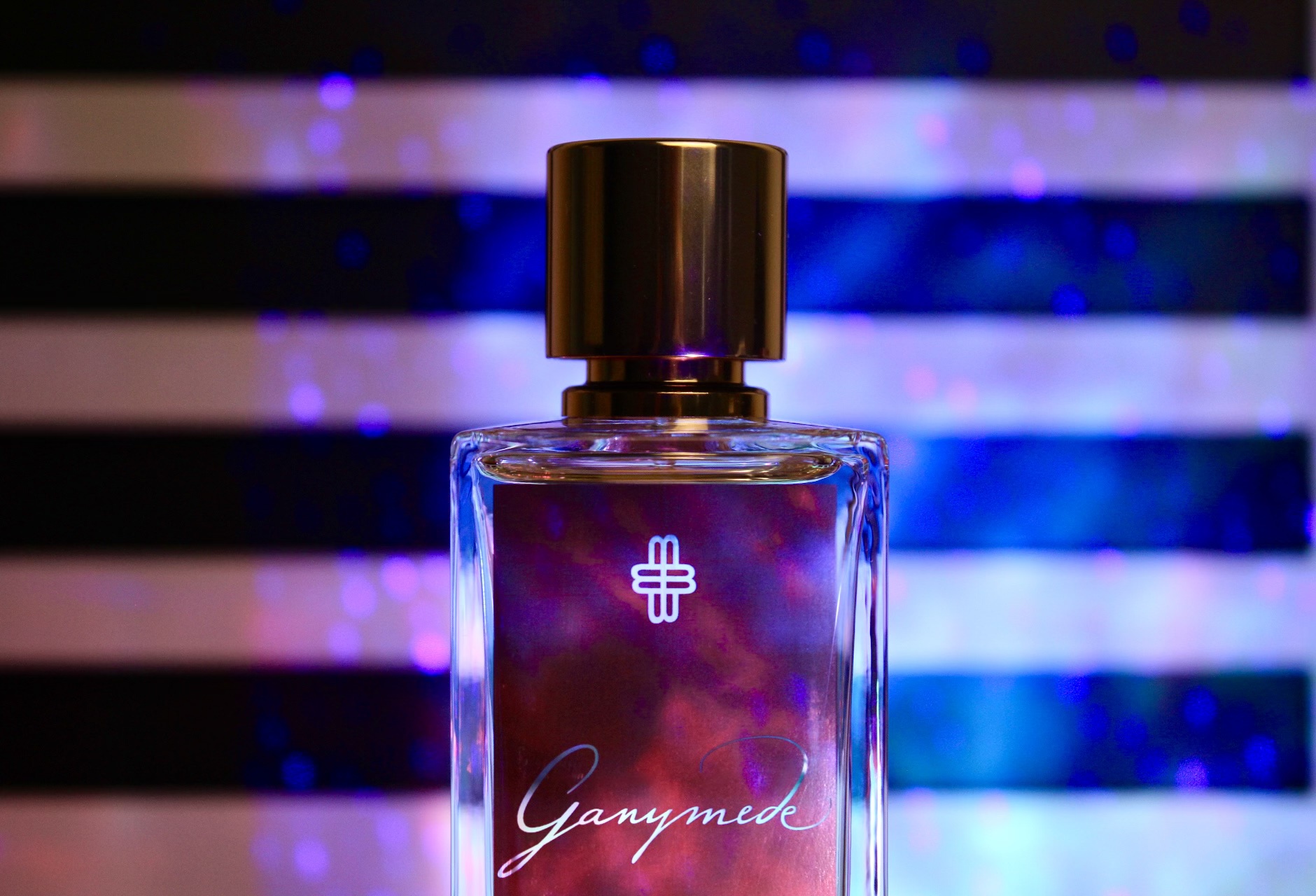
Great fragrances though, well, they go one step further and they innovate by creating an odour profile that hasn’t existed before. These are the fragrances that are pushing the boundaries and entering entirely new territory. Scents like Marc-Antoine Barrois’ Ganymede (Quentin Bisch; 2019) which, incidentally, comes an entire century after Mitsouko and with its salty-transparent blend of immortelle and Akigalawood (an airy, clean-smelling material derived from patchouli) captures the electric, atmospheric and abstract idea of space in odour form. There’s also Baccarat Rouge 540 (Francis Kurkdjian; 2015) with its unique overdoses of Ambroxan (a silky, silvery, marine material) and Ethyl maltol (basically the smell of strawberry-flavoured candy floss) creating one of the most distinct signatures to have existed in a decade. Then, of course, there’s Le Labo’s Santal 33 (Fank Voekl; 2011) with its revolutionary, crystalline-fresh take on sandalwood that inspired a thousand clones. You have heard of that one, right?
A Good Fragrance Smells Good,
A Great One Smells To Die For
You’re probably thinking that I’m a bit dumb for writing something that is literally so obvious it does not need stating, especially committed to writing in a blog post to remain on the literal internet forever, but just bear with me a second because I think this is a golden rule that is worth repeating over and over again. It does not matter if a perfume is interesting or even challenging, nor does it matter if it lasts a long time, projects well and meets its brief, all in a beautiful package, if it does all of these things and does not smell good. Perfume is an art, yes, it’s also a science, true, but it’s also very much a commercial product. It is something we wear to smell good, ergo a perfume must smell good. I am not reinventing the wheel here. A bad perfume smells bad. As simple as that.
What makes this interesting is that “good” is entirely subjective and whatever gives me a nosegasm (yes, I’m trying to make ‘nosegasm’ a thing, no, it’s not working) may cause someone else to rush for the shower. So I can’t tell you what smells good, only you will truly know what tickles your nose in just the right way. What I can tell you though, is that you should always wear the fragrances that smell good to you. Forget trends, forget influencers and brand marketing. Forget gender norms and whose name is or isn’t on the bottle. Wear what you want, when you want and the number of hoots you should give about another person’s opinion on what you wear should be exactly zero. No more, no less.
But what about great fragrances, I hear you ask? What do they smell like? Well, great fragrances smell so good you’d happily be buried with a bottle.
What do you think makes a fragrance good? Let me know in the comments!
Disclaimer
Images are my own.
 The Candy Perfume Boy